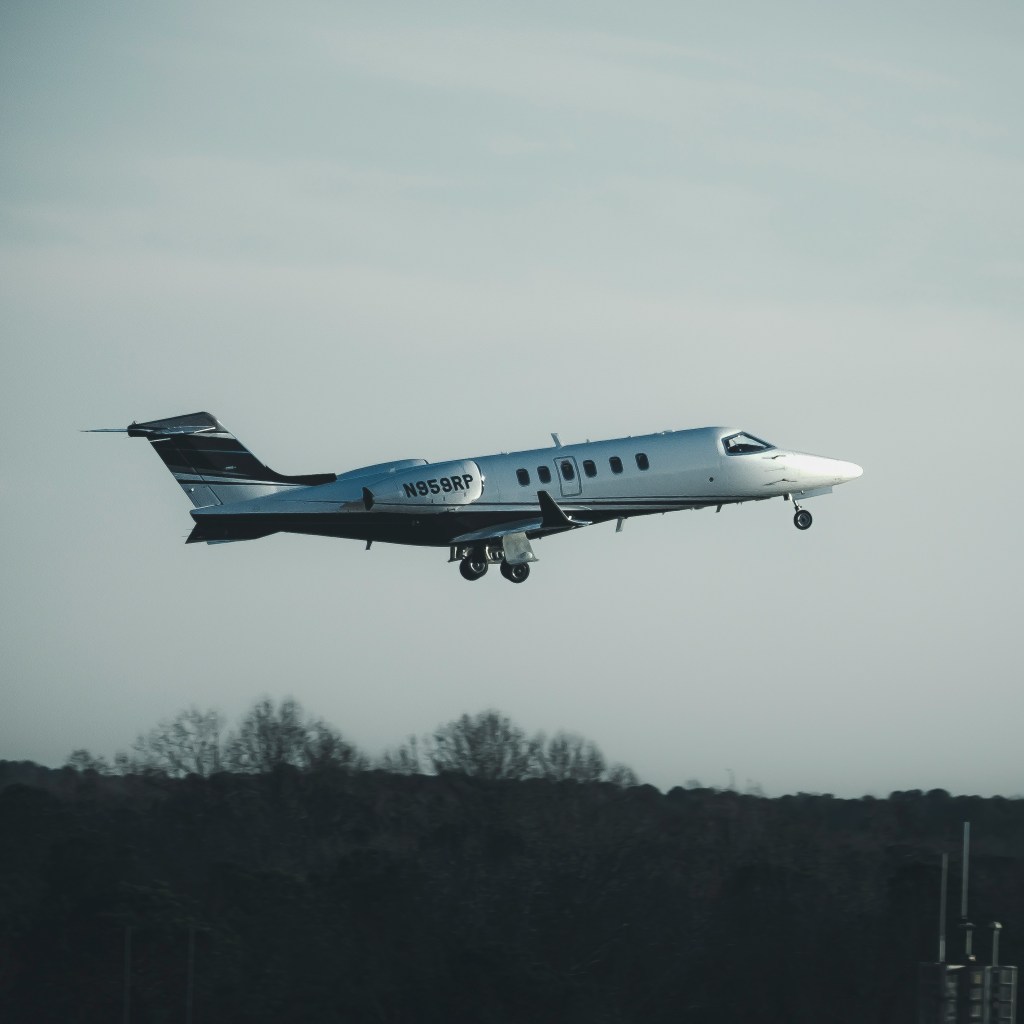
The aviation industry has always been a symbol of progress and innovation, connecting people and places across the globe. However, behind the scenes of this glamorous world of flying lies a growing concern – the aviation talent shortage. As demand for air travel continues to rise, airlines, aircraft manufacturers, and other aviation organizations are grappling with a shortage of skilled professionals to fill critical roles. We delve into the causes and consequences of the aviation talent shortage and explore potential solutions to ensure a smooth flight into the future.
The Causes:
- Aging Workforce: One of the primary causes of the talent shortage in aviation is the aging workforce. Many experienced pilots, mechanics, and air traffic controllers are approaching retirement age, creating a void that is difficult to fill. As they exit the industry, the loss of their expertise and knowledge leaves a significant gap.
- Pilot Training Costs: Becoming a pilot requires substantial financial investment. The cost of pilot training, flight hours, and obtaining necessary licenses can be prohibitively expensive for aspiring aviators. This financial barrier limits the number of individuals who can pursue a career in aviation, exacerbating the talent shortage.
- Regulatory Requirements: Stringent regulatory requirements imposed by aviation authorities add to the challenge of filling aviation roles. These regulations are necessary to ensure safety standards, but they also increase the time and effort required to train and certify professionals. The lengthy and rigorous process may discourage potential candidates, further shrinking the talent pool.
- Changing Perceptions: The perception of aviation careers has shifted over the years. The allure and prestige once associated with working in the aviation industry have waned as other industries have gained popularity. Younger generations may view aviation jobs as less glamorous or attractive, opting for careers in technology or other sectors instead.
Consequences:
The aviation talent shortage has far-reaching consequences that can impact the industry’s growth and safety:
- Increased Costs: Airlines and aviation organizations are forced to invest more in recruitment, training, and retention efforts to attract and retain talent. The costs associated with recruiting and training new professionals are substantial, creating financial burdens for the industry.
- Decreased Efficiency: Shortages in critical roles such as pilots, air traffic controllers, and maintenance technicians can lead to operational inefficiencies. Overworked staff and inadequate staffing levels can result in increased fatigue, potential safety risks, and compromised service quality.
- Slow Industry Innovation: A lack of skilled professionals can impede the development and implementation of new technologies and advancements within the aviation industry. Without sufficient talent, it becomes challenging to drive innovation and stay ahead in a rapidly evolving sector.
Solutions:
- Encouraging Diversity: Promoting diversity and inclusivity within the aviation industry can help attract a broader pool of talent. Initiatives aimed at encouraging women, minorities, and underrepresented groups to pursue aviation careers can contribute to bridging the talent gap.
- Financial Support and Scholarships: Collaborations between industry stakeholders and educational institutions can provide financial support and scholarships to aspiring aviation professionals. This would alleviate the burden of high training costs and make aviation careers more accessible to a wider range of individuals.
- Enhanced Training Programs: Investing in comprehensive and efficient training programs can accelerate the development of skilled professionals. Streamlining regulatory processes and reducing barriers to entry without compromising safety standards can encourage more individuals to pursue aviation careers.
- Public Awareness Campaigns: Launching targeted public awareness campaigns to highlight the benefits and rewards of aviation careers can help shift perceptions. These campaigns can showcase the excitement, global opportunities, and stability that the industry offers, attracting a new generation of talent.
The aviation talent shortage poses significant challenges for the industry, threatening its growth and stability. However, with a proactive and collaborative approach, these challenges can be overcome. By addressing the root causes, promoting diversity, and investing in training and recruitment efforts, the aviation industry can navigate the skies with a replenished pool of skilled professionals. Sustained efforts from stakeholders across the sector are essential to ensure that the future of aviation remains safe, efficient, and prosperous.
 Propelling Forward: News from the Flight Deck